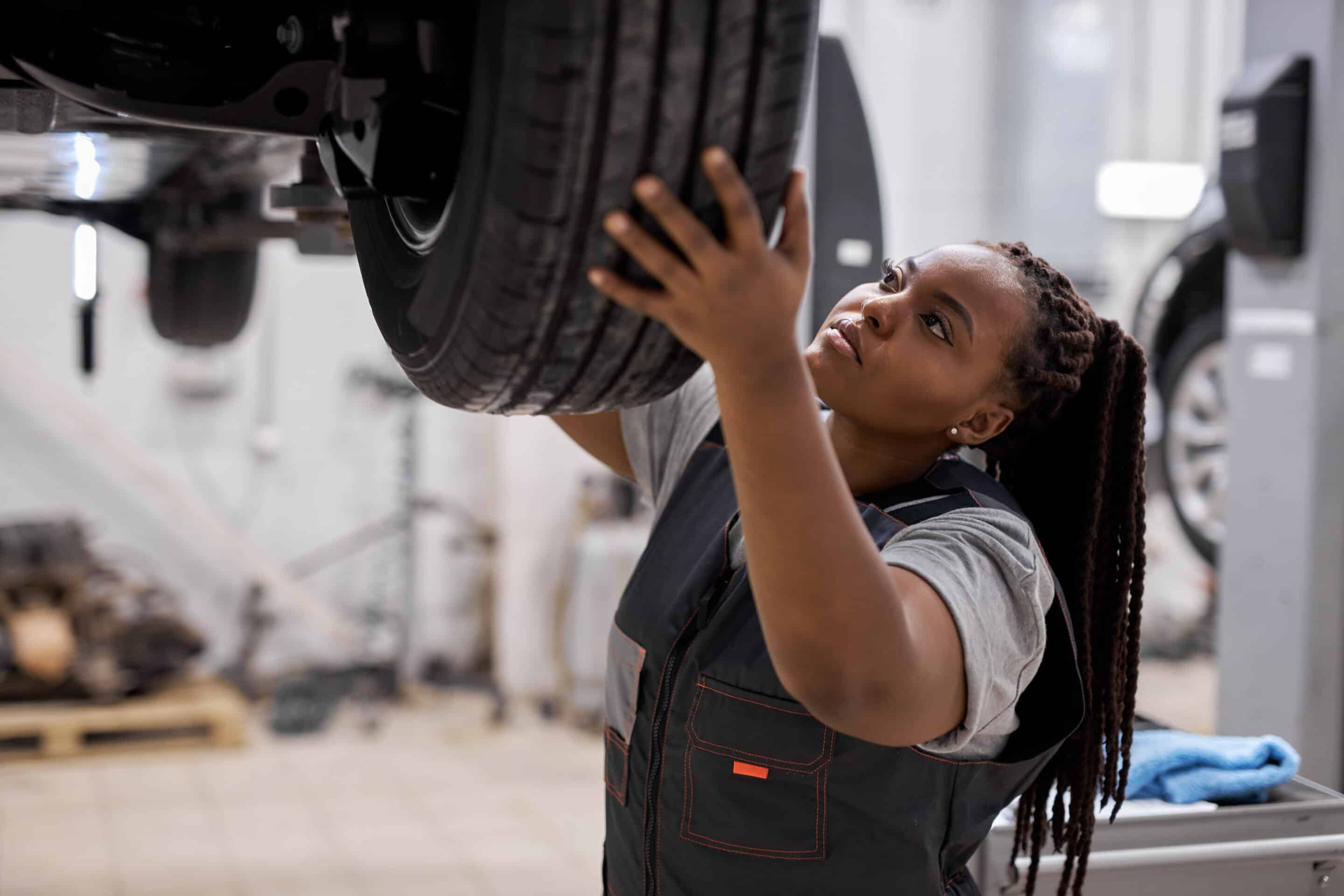
Things such as being in a sedentary position for long periods of time or undergoing repetitive tasks can place significant strain on our musculoskeletal (MSK) system. From desk-based roles to those that are physically demanding, maintaining the health and function of our muscles, bones and joints is important for our overall wellbeing, as well as our productivity at work.
Why is MSK health important
Our MSK health supports us to keep moving and remain upright, allowing us to perform everyday activities both at work and in our personal lives. It covers our muscles, bones, joints, soft tissue and connective tissue. Things like prolonged periods of inactivity, poor posture, repetitive movements and poor ergonomics can all contribute to MSK issues. This can cause symptoms such as stiffness and pain, and even lead to long-term conditions like arthritis, osteoporosis and chronic back pain.
Poor MSK health can affect our ability to work, look after family and live independently. It can also impact our mental health, with findings showing that people with a long-term MSK condition are more likely to have a mental health condition than
those without.
MSK issues are common in the UK, with over 20 million people now living with an MSK condition – which accounts for up to 30% of GP consultations in England. It’s also one of the highest causes of sickness absence at work, contributing to over 30 million working days lost each year in the UK.
Ways to protect your MSK health at work
The good news is that MSK issues can often be prevented and effectively managed. Below we explore things you can do to help minimise your risk and protect your MSK health.
Use good ergonomics – According to the Health and Safety Executive, ergonomics is a “science concerned with the ‘fit’ between people and their work”. One of the cornerstones of maintaining good musculoskeletal health at work is ensuring
that your physical working environment is properly suited to your body and your role. If you are unsure what ergonomics are relevant to you and your setting, check with your employer.
Try to move regularly during the day – Sitting or standing in the same position for prolonged periods of time can lead to muscle and joint stiffness. This can cause immediate discomfort and increase the risk of longer-term MSK issues developing – including neck and back pain. Incorporating short, regular intervals throughout your day to stretch and move around can help to alleviate tension and promote blood flow to your muscles and joints.
Follow internal guidelines and policies – Depending on your job role, there may be certain health and safety regulations you need to follow to protect your health at work. For example, if your job involves heavy lifting or operating machinery, you would need to ensure you are following your company guidelines and policies to reduce any risk of harm and to prevent injury.
Ensure you carry out any risk assessments or work-station assessments as instructed by your employer. If you are experiencing MSK difficulties involving your health at work, raise this with your line manager who can advise on next steps.
Maintain a healthy lifestyle – Our lifestyle plays an important part in our musculoskeletal health. Regular physical activity and strength-building exercises can help to improve your flexibility and support the health of your joints – which also reduces the risk of injury.
A healthy balanced diet is also key, as it supports bone density, muscle repair and joint health. It will also help you to maintain a healthy weight, reducing your risk of developing MSK conditions in future. Try to include a variety of fruits, vegetables, wholegrains, lean proteins and healthy fats in your diet. Keeping hydrated is important too, find out which fluids are healthier choices on the NHS website.
The Scientific Advisory Committee on Nutrition (SACN) highlights the importance of vitamin D and calcium for MSK health, noting that vitamin D aids the body’s absorption of calcium. Stopping smoking is another lifestyle change that can support MSK health. The NHS state that smoking is a “risk factor for almost every common type of pain, including back pain, arthritis, and tendon pain.” If you smoke, getting support to stop will provide many benefits to your overall health and wellbeing, and reduce your risk of smoking related diseases. Find out more about the benefits of stopping smoking.
Don’t ignore aches and pains – Seeking support can help to alleviate the problem in the immediate term, and identify any underlying causes to help prevent the issue occurring again or worsening over time. If you’re experiencing persistent or significant pain, stiffness or discomfort in your muscles or joints, consider making an appointment with your GP. You can also check if your employer has any services in place to support with MSK health, such as through an occupational health provider. If you are struggling with mental health in relation to any conditions, check if you have access to an employee assistance programme (EAP) through your employer, which can provide timely access to mental health support.
Further support
NHS – Food for healthy bones
Chartered Society of Physiotherapy – 10 things you need to know about your back
Health & Safety Executive (HSE) – Ergonomics and human factors at work
Ref: WPW0306 this information was reviewed May 2024.