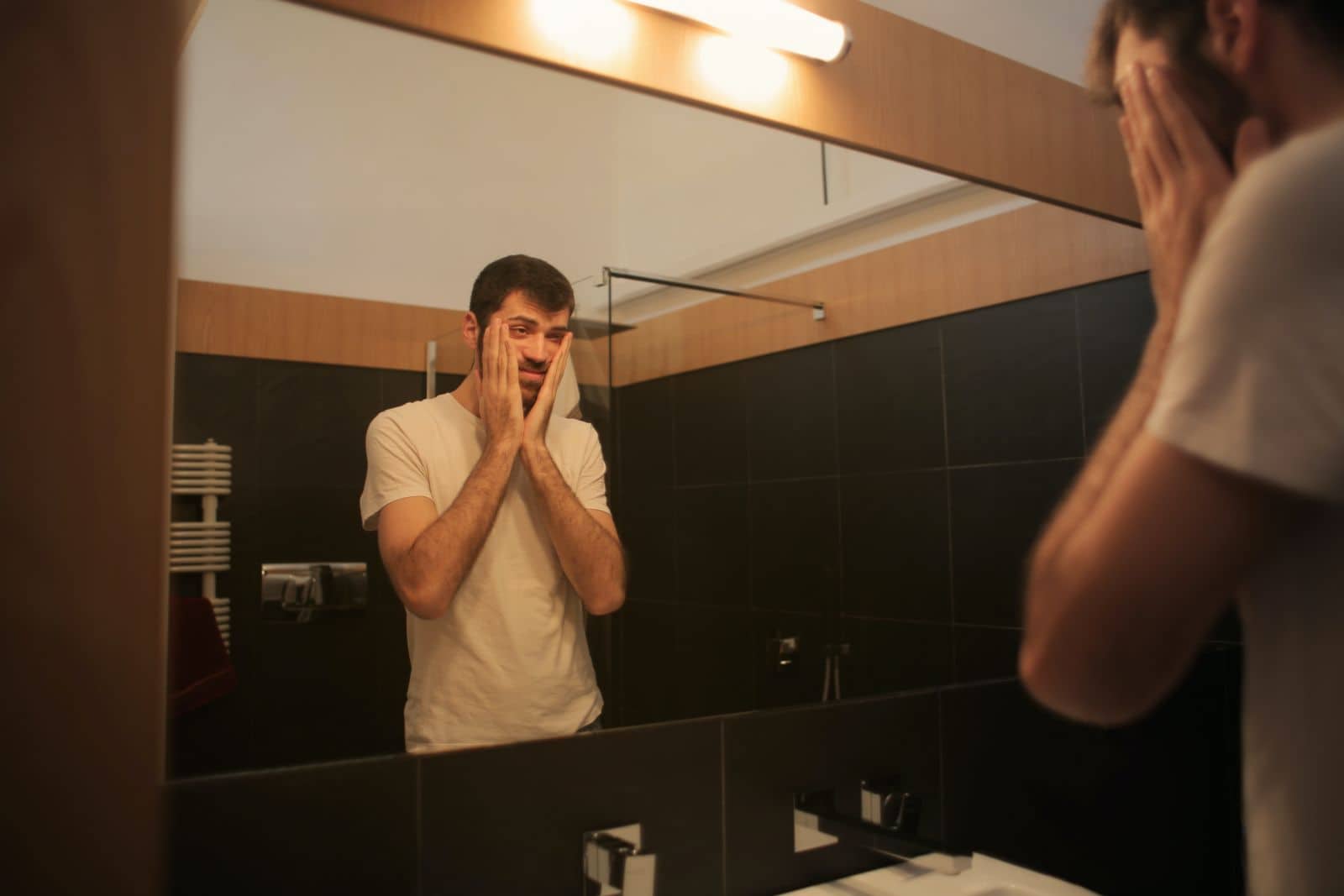
Shift work and high work demand can result in the inability to attain the adequate rest and recovery that we require.
While 7-9 hours sleep should always be the priority, if this is not possible there are ways that we can attempt to mitigate fatigue and maximise energy levels. This is only intended to be a short-term solution, as adequate recovery and sleep is essential for physical and mental health and wellbeing.
Do not rely on caffeine and stimulants
They can improve reaction and alertness for short periods but only use occasionally and do not rely on it to keep you awake. Tolerance to its effect increases with usage.
Avoid alcohol to help you fall asleep
Alcohol may promote the onset of sleep, but it is also associated with poor quality sleep, disruptions and earlier awakenings meaning you will not wake up feeling refreshed.
Think about your daylight exposure
Daylight is energising so maximise time spent outside when you need to be alert and awake. Alternatively, if you need to sleep during the day, minimise light exposure with sunglasses when outside and use blackout blinds in the bedroom.
Hydrate with fluids regularly
Dehydration can reduce mental and physical performance so drink plenty of fluids. Avoid drinking too much before sleeping as this may disrupt sleep.
Communicate
Retaining contact with colleagues may help both you and them to stay alert. It also enables you to look out for signs of tiredness in each other.
Sleep Environment
The bedroom should be for sleeping. Avoid using it for other activities like watching television, eating and working.
- Maintain a cool temperature, 16 – 18◦C is thought to be ideal.
- If the room is too noisy, consider using ear plugs, white noise or background music to mask external sound.
- Use heavy curtains, blackout blinds or eye shades to darken the bedroom.
- Leave phones and electronic devices outside the bedroom.
Driving
The risks of driving can be increased after a long shift, night shift or before an early start. If it is necessary to drive, then these strategies may increase your alertness:
- Share driving if possible.
- Exercise briefly before your journey.
- A short nap (~20 minutes).
- Drive carefully and defensively.
- Do not hurry.
- Make occasional use of caffeine or energy drinks if required.
Diet
- Regular light meals/ snacks are less likely to affect alertness or cause drowsiness than a single heavy meal.
- Avoid fatty, spicy and heavy meals as these are more difficult to digest. They can increase drowsiness when you need to be alert and disturb sleep when you need to rest.
- Avoid sugary foods and drinks. They will provide a short-term boost followed by a dip in energy levels.
- Increase fruit and vegetables consumption. Their sugar is converted to energy relatively slowly and they provide vitamins, minerals and fibre.
[Information taken from HSE guidance]( www.hse.gov.uk/humanfactors/topics/shift-workers.htm)
workplacewellbeing.com assumes no responsibility for the content of linked websites.