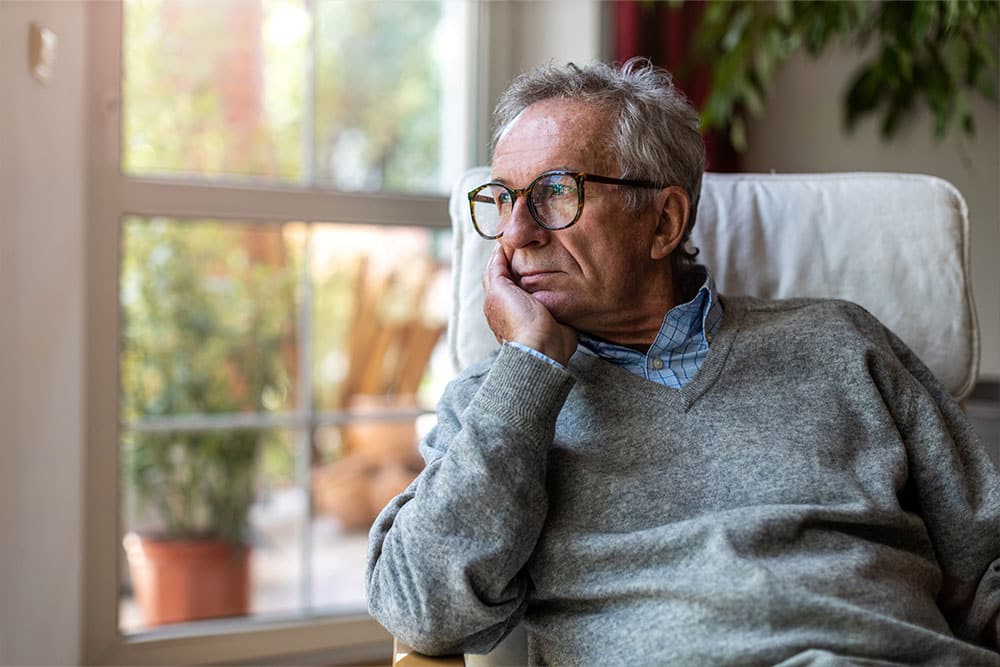
Death and bereavement are an inevitable part of life, and yet it is a subject that is very rarely talked about.
The unpredictability of life means we can never be sure how soon or how often we will face the challenge of this major life event. The death of someone close to us is probably the most severe loss we ever have to cope with and can affect us in many very different ways.
How bereavement can affect people
Reactions to loss vary enormously and there is no right or wrong way to respond. However most people report a similar range of reactions and it can be important to know that these are normal and not a sign of illness. When someone close to us dies, some of the many different feelings and reactions we may experience can include:
- Anger
- Denial
- Depression
- Fear
- Feeling let down
- Feelings of injustice
- Guilt
- Hope
- Lack of confidence
- Loss of identity
- Memories
- Mood swings
- Numbness
- Reliving
- Remembering
- Sadness
- Shock
- Still seeing or hearing that person
- Longing
- Suicidal thoughts
As well as the emotional pain of the loss, we may also experience practical and financial consequences as a result of the bereavement. These can include accommodation issues, childcare and support difficulties, financial pressures and legal issues connected with settling the estate of someone who has died.
Ways to help cope
How an individual responds after the loss of a loved one is very personal. Some of us will find that crying can give relief or being with family or friends can help us feel supported. At other times, we may have a desire to be on our own. It is important to remember that there is no right or wrong in bereavement and giving ourselves permission to feel the way we do rather than the way we think we should feel is important.
Talk to others
It may be helpful to talk through feelings and memories. This can often help us to understand and process our emotional reactions to the loss and enable us to redefine our relationship with the person who has died.
Talking can help others too. However if we don’t feel like talking, that is ok too, but it is important to make sure we do not become too isolated.
Try not to feel guilt
Often people find themselves feeling guilty when they start to re-build their lives. It is important not to feel guilty as it is quite normal to begin to get on with life and is not in any way disloyal to the person who has died.
Plan ahead
Over the first year following a major loss, there will be a whole series of new anniversaries. It can be important to prepare ourselves for these and perhaps to take time off work or think of special things to do on birthdays or other significant dates.
Keep special things
Although a loved one may no longer be around, our relationship with that person does not end with their death. Photographs or other objects can help us to transform the painful memories of the death into a more balanced memory of the importance of the relationship both in the past and in the future.
Allow time to grieve
It can take a long time to learn to adjust to a major bereavement.
Be aware of stress
The worries following bereavement can lead to concentration problems and this in turn can make us more accident-prone. Take things slowly.
Avoid alcohol
Although alcohol or other drugs may temporarily numb the emotional pain of the loss, in the longer term, they may lead to other difficulties.
Take care of yourself
Eat regular nourishing food, exercise and take plenty of rest even if our sleep is disturbed.
Getting support
It may be possible to claim various benefits or allowances. For information on a step by step guide following bereavement, financial support, allowances and management of the deceased allowances go to the gov.uk website.
Speaking to your GP can sometimes be helpful if you are finding that your distress is overwhelming. Alternatively, your GP may suggest speaking to a counsellor as a way of helping you to adjust to what has happened. In the longer term, your GP may suggest medication if the depression following bereavement becomes severe or prolonged.
Further support
CRUSE UK – A national bereavement organisation offering emotional support regardless of age, race or belief. Contact their helpline on 0808 808 1677.
CRUSE Scotland – Contact their helpline on 0808 802 6161.
Child Death Helpline – Help and support for those affected by the death of a child. Contact their helpline on 0800 282 986.
Winston’s Wish – Offers practical support and help to bereaved children and their families following a loss. Contact their helpline on 0808 8020 021.
Mind – Support and self-care.
Sue Ryder – Online bereavement support.
Information on practicalities of what to do after a death
GOV.uk – Registering a death.
NRS Scotland – Registering a death.
Ref: WPW0021 This information was reviewed April 2024.