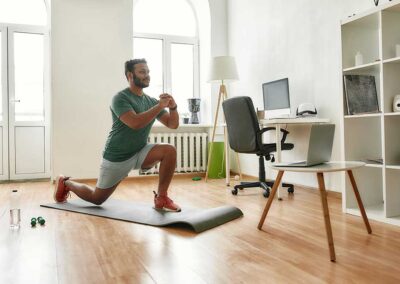
If you were wondering whether you can still engage in physical activity while pregnant, the answer is yes, you can. In fact, the more active and fit you are during pregnancy, the easier it will be for you to adapt to your changing shape and weight gain. According the NHS, it can also help you to cope better with labour.
However, it is important to consult your maternity team before starting any new form exercise programme. As a general rule, you should be able to hold a conversation as you exercise when pregnant. If you become breathless as you talk, you’re probably exercising too strenuously. If you were not active before you got pregnant, do not suddenly take up strenuous exercise.
Benefits of keeping physically active during pregnancy
Exercise can be a great way to help relieve some of the unwanted symptoms that can come with pregnancy, for example, it can help to:
- Ease lower back pain
- Reduce stress and anxiety
- Reduce varicose veins
- Reduce tiredness
- Improve sleep
There are also various other benefits it can bring, including:
- Getting back into shape faster after you have had the baby
- Helping to reduce risk of developing gestational diabetes
- Helping to manage weight gain
- Minimising risk of high blood pressure
- Improving your psychological wellbeing
- May reduce risk of developing postpartum depression
Top tips for exercising during pregnancy
- Work to your limits – It is important that you listen to your body and work within your own capabilities. Try to keep up your normal daily activity routine for as long as you feel comfortable doing so, but be careful not to over exert yourself. Remember – if you are breathless when talking you are probably exercising too hard and need to reduce the intensity and slow down.
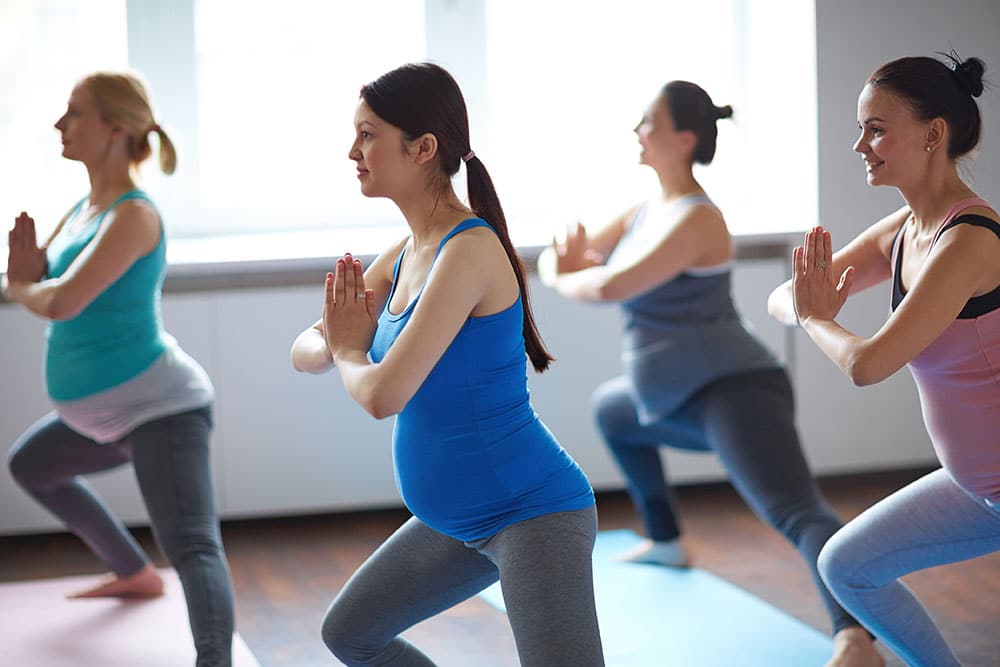
- Try gentle types of exercise – This includes walking, swimming, aerobics for pregnant women, prenatal yoga, and running (as long as you are already experienced – it is not a good idea to start during pregnancy).
- Don’t forget to warm up – This will prepare your muscle and body for the activity to follow, without warming up you could be at a greater risk of injury.
- Stay hydrated – We lose water as we exercise, so it’s important to keep hydrated. If you do become dehydrated, it could lead to a risk of overheating, the onset of contractions or decreased blood flow reaching the placenta.
- Seek advice if trying a new type of exercise or if you have not exercised in a while – If you are thinking of beginning a new exercise routine, or are starting to exercise after a long break, seek advice first – whether from your midwife, GP or an exercise instructor who specialises in prenatal training.
- Wear comfortable clothes – Wear supportive, breathable clothing that allows you to exercise without putting yourself at risk of overheating. Pregnancy may cause your feet to swell, so make sure your shoes fit properly. Sports bras or bras or without an underwire can also be more comfortable to move about in.
- If you take part in group exercise, inform the instructor you’re pregnant – It is important that you inform the instructor as soon as you know you are pregnant so that they can take this into consideration when you are training.
- Don’t rush when changing positions – When going from seating to standing, lying down to seated, or any other position change, make sure you take care and are cautious. Changes to your body’s blood pressure can cause light headedness when you’re moving. Also, changes in your body’s centre of gravity may make you unsteady on your feet.
- Include resistance training – This type of training will help strengthen muscles, enabling your body to cope better with the additional stress placed upon it. It can also help to reduce stress on specific joints.
Pelvic floor muscle exercises
The NHS recommends doing pelvic floor exercises during pregnancy. Training these muscles can help to strengthen them (as they come under great strain during pregnancy and child birth). This type of exercise will also help you to reduce stress incontinence – both during and after pregnancy.
Below are two ways you can exercise your pelvic floor muscles:
- Seated exercise – Sitting comfortably, squeeze your muscles 8 times in a row, holding the squeeze for a second then relaxing. If you struggle to squeeze your pelvic floor, think about trying to hold in going to the bathroom, that feeling is the contraction of your pelvic floor. Aim not to hold your breath, tense your legs or your buttocks whilst performing them.
- Standing exercise – Standing comfortably, squeeze your muscles 8 times in a row, holding the squeeze for a second then relaxing. Aim not to tense your legs, buttocks or hold your breath.
The NHS recommends doing 3 sets of 8 squeezes every day. You can also practice tightening the pelvic floor muscles before and during coughing and sneezing.
Types of exercise to avoid
- Avoid lying down on your back – Lying down on your back, especially after 16 weeks, can cause your uterus to press on the main vein that enables the blood to return to your heart. This may cause you to feel dizzy or faint.
- Avoid activities that risk your bump being hit – This includes contact sports such as rugby, kickboxing, football and basketball.
- Avoid some types of abdominal exercises – You want to avoid crunching or twisting your torso. Exercises that involve lying on your back and lifting your head or shoulders should also be avoided – this includes sit-ups, crunches, leg raises and double leg lifts.
- Avoid strenuous exercise in heat or hot weather – Overheating can cause dizziness and can be harmful to your developing baby. Avoid exercises such as hot yoga or hot Pilates. If it is hot outside, try to avoid the midday sun and instead exercise early in the morning or late afternoon. Remember to where sunblock, a hat and to keep hydrated.
- Avoid exercise at high altitude – Refrain from engaging in physical activities at elevations of 2,500 meters or more above sea level until your body has acclimatised. Exercising at such altitudes poses a risk of altitude sickness for both you and your baby.
Further support
NHS – Exercise in pregnancy.
Tommy’s – How active should you be during pregnancy?
National Childbirth Trust – Things to know about exercise during pregnancy.
Sources:
https://www.nhs.uk/conditions/pregnancy-and-baby/pages/pregnancy-exercise.aspx
https://www.bupa.co.uk/health-information/directory/e/exercise-during-pregnancy
https://www.nhs.uk/start-for-life/pregnancy/exercising-in-pregnancy/
This information was published February 2024.